
Jhumar, also known as Jhumair, is an age-old Indian folk dance form deeply rooted in the cultural heritage of states like Jharkhand, Odisha, Chhattisgarh, Assam, Bihar, and West Bengal. This dance is an embodiment of the spirit of celebration, unity, and connection with nature. Originating among the Indo-Aryan ethnic groups of Chotanagpur, particularly the Sadan community, Jhumar holds a significant place In the socio-cultural fabric of these regions. The dance is a reflection of rural life, celebrating the simplicity, beauty, and resilience of agrarian communities. Traditionally performed during the harvest season, Jhumar is a tribute to the joys of a bountiful harvest, the harmony of rural life, and the eternal bond between humans and nature.
Origins and Cultural Significance
Jhumar’s roots lie in the heartland of India’s tribal and rural communities, particularly in the Chotanagpur plateau. This plateau, rich in its tribal heritage and natural beauty, provides the ideal setting for a dance that celebrates love, nature, and agricultural abundance. The name “Jhumar” is believed to be derived from the rhythmic swaying movements that characterize the dance, akin to the gentle swaying of crops in the breeze.
This dance form is particularly significant among the Sadan community, an Indo-Aryan ethnic group of Chotanagpur. Over centuries, Jhumar has evolved as a medium of storytelling, celebrating nature’s bounty and marking significant occasions in the lives of rural communities. It is not merely a dance but a form of communal expression, bringing people together to rejoice in the fruits of their labor and the beauty of their environment.
Performance and Style
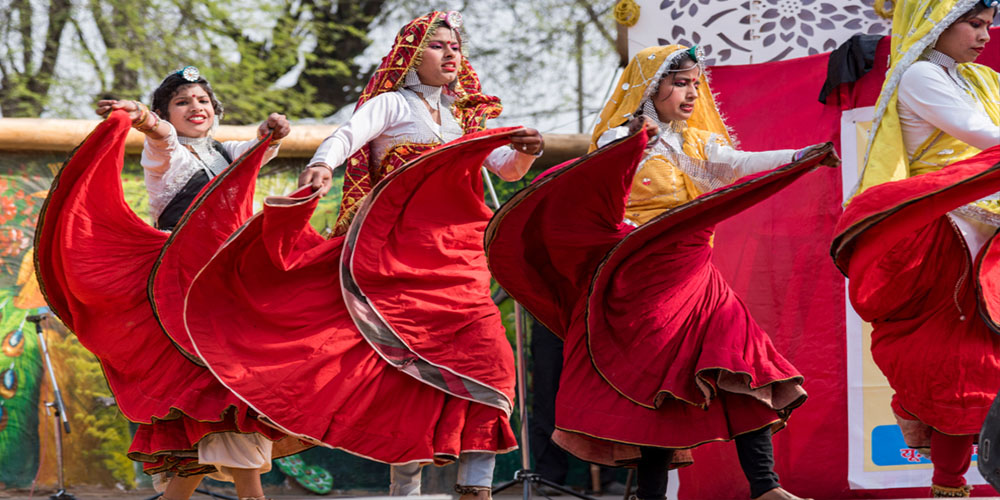
Jhumar is typically performed in groups, with dancers standing in a row or forming a circle while holding hands. The dance is characterized by its graceful and rhythmic movements, where performers sway their bodies, clap their hands, and occasionally execute timed jumps to accentuate the beat. This synchronization of movements creates an atmosphere of joy and unity, making Jhumar a visual and auditory delight.
The dance Is usually accompanied by singing couplets that narrate tales of love, nature, and everyday life. These songs, often passed down through generations, serve as an oral record of the community’s history and values. The performers’ attire is vibrant, reflecting the rich cultural aesthetics of the region. Women often wear traditional sarees with tribal jewelry, while men adorn dhotis and kurtas, adding to the authenticity of the performance.